
A Step-by-Step Guide for Cat Lovers
For aspiring cat cafe owners, especially cat lover entrepreneurs with hospitality experience or a clinical eye from veterinary work, the cat cafe business concept hits the sweet spot between community, comfort, and feline care.
The core tension is simple: launching a cat cafe venture means running a pet-friendly cafe startup where animal welfare, public health expectations, and daily operations all collide in one space.
Many otherwise solid cafe plans stumble when cats become an afterthought instead of the main responsibility.
With the right mindset, the payoff is a business that protects cat health, builds trust, and feels good to run.

How to Open a Successful Cat Cafe
Quick Summary: Opening a Successful Cat Cafe
- Plan your cat cafe concept and build a clear business plan before committing to costs.
- Meet legal requirements for pet cafes, including permits, health rules, and animal welfare standards.
- Secure funding for your cat cafe business and budget for setup and ongoing care.
- Market your cat cafe with focused strategies that attract cat lovers and build community support.
Turn a Cat Cafe Idea Into a Working Plan
This process helps you go from “I want a cat cafe” to an operating space with the right permits, people, and cat-first routines. For cat owners and vets, it matters because your build-out and staffing choices directly shape lifelong welfare, from kitten socialization to senior comfort.
- Choose a location that fits your people and your cats
Start by defining who you will serve and what they will realistically pay for, then match that to foot traffic, parking, noise, and nearby competition. A strong location decision begins with an understanding of the customer so you are not guessing about demand. Confirm the space can support separate cat and food areas, ventilation, and calm retreat zones. - Map permits, zoning, and build-out requirements early
Call your local licensing and health departments and ask for a checklist for a cafe plus an animal-housing component, then compare it to your lease before you sign. Outline what must be inspected, what must be separated, and what needs written policies, so you avoid expensive rework. Put key dates on a calendar so approvals do not delay your opening. - Set cat welfare standards before you select cats
Write your care plan first: intake criteria, vaccination and parasite control, daily cleaning, enrichment, quiet hours, and a foster or isolation plan for illness. Build age-friendly practices into the space, such as easy-access litter areas for seniors and structured play sessions for adolescents. If you partner with rescues, align on medical records, behavior notes, and adoption handling. - Build the menu and service model around safety and flow
Choose a limited menu you can execute consistently while keeping food prep fully separated from cat areas. Design customer flow so handwashing and rules are simple and visible, then price items to cover labor, supplies, and veterinary support. Test your ordering process with a small group to catch bottlenecks before launch. - Hire, train, then launch with education-forward marketing
Hire for calm communication and reliability, then train staff on cat body language, cleaning routines, guest coaching, and when to escalate to a vet. Create a soft opening to practice daily rhythms, then market with clear content about cat care, adoption stories, and expectations for guests. Momentum is on your side because there are over 200 cat cafés now, so clarity and cat welfare help you stand out.
Open-Ready Cat Cafe Setup Checklist
This checklist turns big decisions into verified tasks, so cat owners and vets can protect welfare at every life stage while keeping guests safe and operations predictable. Tight safety habits matter because 48 million Americans annually experience foodborne illness.
✔ Confirm zoning, animal housing rules, and food-service permits in writing.
✔ Document vaccination, parasite prevention, and intake criteria for every cat.
✔ Prepare isolation space and a vet escalation plan for illness or injury.
✔ Separate food prep, handwashing, and cat areas with clear guest signage.
✔ Stock cleaning, litter, enrichment, and first-aid supplies with reorder points.
✔ Train staff on body language, bite prevention, and senior-friendly handling.
✔ Track daily logs for feeding, meds, cleaning, and behavior notes.
Check these off, then open with confidence and a calm, cat-first culture.
Common Cat Cafe Questions, Calm Answers
What are the most important steps to prepare before opening a cat cafe to avoid feeling overwhelmed?

Start by turning your idea into three lanes: legal and insurance, cat welfare protocols, and guest experience. Set a weekly “top five” and finish those before adding new tasks. Also schedule a pre-opening walkthrough with your veterinarian and a food-safety lead so you can spot gaps early.
How can I create a calm and safe environment for cats that minimizes their stress in a cafe setting?
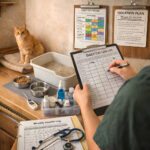
Design for choice and control: multiple vertical routes, hiding spots, and quiet rooms that are always off-limits to guests. Use traffic-flow rules like timed entry, capped occupancy, and no-pick-up policies unless a cat initiates contact. Rotate enrichment and keep predictable routines for feeding, play, and rest.
What strategies exist for managing the ongoing care and health needs of cats in a busy cafe environment?
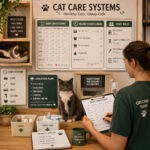
Use simple, repeatable systems: daily check sheets for appetite, litter, and behavior, plus weekly weight checks and coat and dental observations. Build role clarity into the schedule so one person owns meds, another owns cleaning verification, and a lead signs off. Keep an isolation plan ready for any coughing, diarrhea, limping, or sudden hiding.
How can I handle unexpected challenges and uncertainty when launching and operating a cat cafe?

Plan for surprises with “if-then” playbooks for common scenarios like a bite, a cat fight, a power outage, or a bad review. Track a few numbers daily such as visitor count, adoption inquiries, incidents, and cleaning completion so you can adjust fast. Remember you are not alone in this space, since new cat cafes opened recently, and strong operations are what help you stand out.
What resources are available for someone who feels stuck and needs clear guidance on managing the operations of their new cat cafe venture?
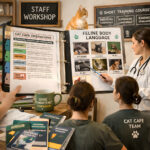
Create a one-page operations binder with SOPs for cleaning, feeding, handling, guest rules, and vet escalation, then train from it consistently. Ask a local veterinarian to review your welfare standards and run a short staff workshop on feline body language. If you want more structure, consider a short learning path in scheduling, service leadership, and conflict de-escalation, or explore business management education tracks, to make day-to-day decisions feel lighter.
Take the First Step Toward a Thriving Cat Cafe Community
Opening a Successful Cat Cafe can feel like balancing two big promises at once: excellent animal welfare and a steady, well-run business.
The practical approach is simple, lead with clear standards, thoughtful systems, and relationships that put people and cats at ease, so the daily questions don’t derail your focus.
Do that well, and the benefits of owning a cat cafe show up fast: calmer cats, smoother shifts, stronger community engagement through cafes, and real cat cafe business opportunities that can support long-term cafe growth strategies.
A successful cat cafe is built on care, clarity, and community.
Choose one next step today, secure partners, validate your location, or map long-term growth, and put it on the calendar.
That momentum matters because resilient local spaces improve connection, stability, and everyday wellbeing for the whole neighborhood.