
Keep Your Cat Healthy
Veterinary professionals often work long hours, attending to a wide range of animals with diverse needs.
Cats can be masters at hiding discomfort, which makes maintaining their health a year-round challenge for owners. Missing small signs of illness, neglecting routine care, or feeding an improper diet can quietly affect their wellbeing.
The good news is that with consistent, science-backed habits, you can keep your feline companion thriving throughout the year.
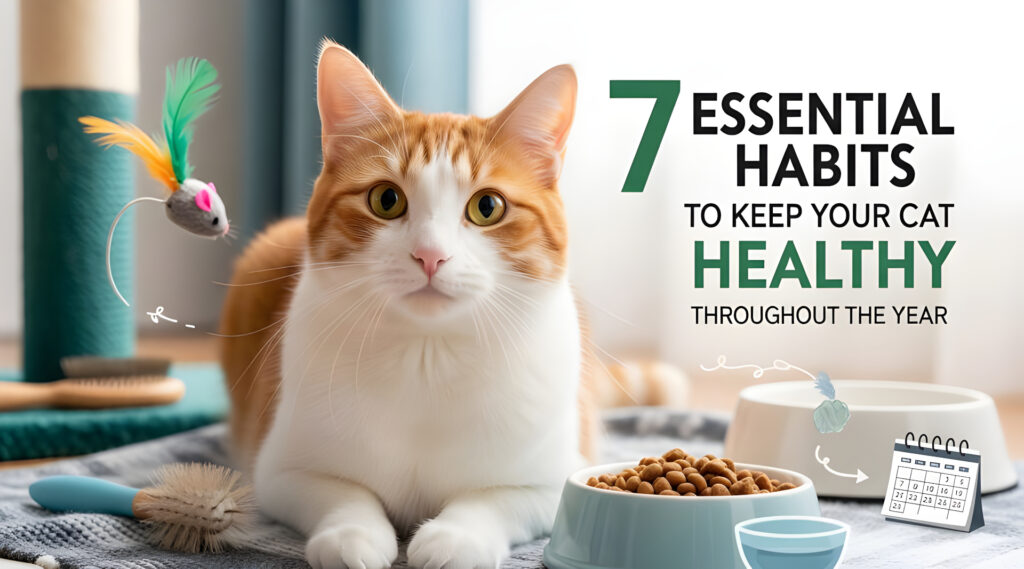
7 Essential Habits to Keep Your Cat Healthy Throughout the Year
Feed a Balanced, Species-Appropriate Diet
Nutrition forms the foundation of feline health. Cats are obligate carnivores, which means their bodies rely on animal proteins and specific nutrients like taurine for heart and eye health.
Feeding them a species-appropriate diet helps support organ function, maintain energy levels, and prevent obesity. High-quality cat foods or carefully planned homemade diets under a veterinary nutritionist’s guidance can ensure your cat gets all essential vitamins, minerals, and amino acids.
Avoid over-reliance on treats or human food, as these can disrupt nutrient balance and contribute to weight gain or digestive issues.
Keep Your Cat Properly Hydrated Throughout the Year
Cats are prone to urinary tract problems and kidney issues if their water intake is insufficient. Encouraging regular hydration can prevent these conditions.
Consider providing multiple water sources, using cat fountains to stimulate interest, and incorporating wet food into the diet. Monitoring litter box frequency and urine output helps detect early signs of dehydration or urinary complications.
Maintain Routine Preventive Veterinary Care
Consistent veterinary oversight is essential for early detection and prevention of disease.
Annual Wellness Exams and Vaccinations
Annual check-ups allow veterinarians to assess weight, dental health, and organ function while updating necessary vaccinations. These visits also provide an opportunity to discuss diet adjustments, behavioral concerns, or preventive strategies tailored to your cat’s age and lifestyle.
Parasite Prevention Basics
Regular parasite control is vital. Fleas, ticks, and intestinal worms can cause discomfort, transmit disease, and compromise overall health.
Your veterinarian can recommend an effective year-round preventive plan, whether through oral medications, topical treatments, or environmental management.
For those interested in supporting this field, opportunities like vet tech job openings exist, helping professionals deliver consistent care to pets.
Support Dental Health to Prevent Chronic Disease
Dental disease is common in cats and can contribute to systemic issues such as kidney or heart disease. Regular brushing with feline-safe toothpaste, dental treats, and periodic professional cleanings can reduce plaque accumulation and prevent gum inflammation.
Observing bad breath, drooling, or difficulty eating can help catch dental problems early.
Encourage Daily Physical Activity and Mental Stimulation
Cats need both physical exercise and mental enrichment to prevent obesity, stress, and behavioral issues.
Indoor Play Ideas for Cats
- Use interactive toys like feather wands, laser pointers, and treat-dispensing puzzles.
- Rotate toys regularly to maintain interest.
- Create vertical spaces such as cat trees or shelves to encourage climbing.
Preventing Boredom in Indoor Cats
- Introduce scent enrichment using safe herbs like catnip or silvervine.
- Hide treats around the home to stimulate hunting instincts.
- Provide quiet observation spots near windows to watch outdoor activity.
Practice Proper Grooming and Coat Care
Regular grooming prevents matting, reduces hairballs, and supports skin health. Brushing frequency depends on fur length: long-haired cats may need daily grooming, while short-haired cats benefit from weekly sessions. Grooming also allows you to detect lumps, wounds, or skin irritations early.
Monitor Weight and Body Condition Regularly
Obesity increases the risk of diabetes, arthritis, and heart disease. Monitoring your cat’s body condition score and adjusting diet or exercise can prevent these issues.
Small, consistent changes are more effective than drastic interventions.
Create a Safe, Low-Stress Home Environment
Stress impacts both physical and behavioral health. Provide hiding spots, routine feeding schedules, and consistent interaction.
Avoid sudden environmental changes or loud noises, and use pheromone diffusers if necessary to reduce anxiety.
Watch for Early Signs of Illness or Behavior Changes
Cats rarely show overt symptoms until disease is advanced. Be alert to subtle signs: changes in appetite, litter box habits, grooming, or social behavior.
Early veterinary intervention can dramatically improve outcomes. Owners can also consult professionals through part time vet tech jobs for guidance in monitoring and supporting cats at home.
Build Consistent Healthy Habits All Year Long
Consistency is the key. Feeding, hydration, veterinary care, dental attention, enrichment, grooming, and observation should be ongoing practices.
By integrating these habits into daily life, you strengthen your cat’s immune system, prevent chronic diseases, and ensure a longer, healthier life. Small daily actions accumulate into a lifetime of well-being for your feline companion.
Conclusion
Keeping your cat healthy requires attention, consistency, and observation throughout the year. By providing a balanced diet, ensuring hydration, maintaining preventive veterinary care, supporting dental health, offering mental and physical enrichment, grooming regularly, and monitoring weight and behavior, you create an environment where your cat can thrive.
Small daily habits compound into long-term wellness, reducing the risk of disease and improving quality of life. A proactive approach not only benefits your cat but also strengthens the bond between you and your furry companion. Consistency, observation, and timely action are the keys to a happy, healthy cat all year round.
Frequently Asked Questions (FAQs)
How often should I take my cat to the vet?

Cats should have at least one annual wellness exam, but older cats or those with chronic conditions may require more frequent visits. Preventive care helps detect issues before they become serious.
What is the best diet for a cat?

Cats thrive on a high-protein, species-appropriate diet. Look for foods that provide taurine, essential amino acids, and balanced nutrients. Wet food can help with hydration, while dry food may be used in moderation.
How can I encourage my indoor cat to exercise?

Interactive toys, climbing structures, treat puzzles, and short play sessions throughout the day stimulate physical activity and mental engagement, reducing stress and boredom.
How do I know if my cat is overweight?
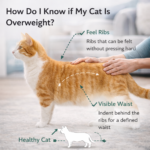
Monitor your cat’s body condition by feeling for ribs and observing waistline shape. A healthy cat should have a visible waist behind the ribs and ribs that can be felt without pressing too hard.
What are the signs of illness in cats?
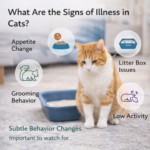
Early signs include changes in appetite, litter box habits, grooming behavior, activity levels, or social interaction. Subtle behavior changes often precede visible illness, so prompt attention is important.